Types of Swimming Pool Tiles Explained: Glass Mosaic, Ceramic and Porcelain
Anyone building or renovating a swimming pool in Malaysia eventually reaches the same decision: which tile should actually line the pool. It is one of the most visible material choices in the entire project, and also one of the most demanding, since the tile sits in constant contact with water, sunlight and pool chemistry. Three materials come up most often when this conversation happens: glass mosaic, ceramic and porcelain swimming pool tiles. Knowing what separates them makes it much easier to brief a contractor or compare options with a supplier.
Glass Mosaic Swimming Pool Tiles
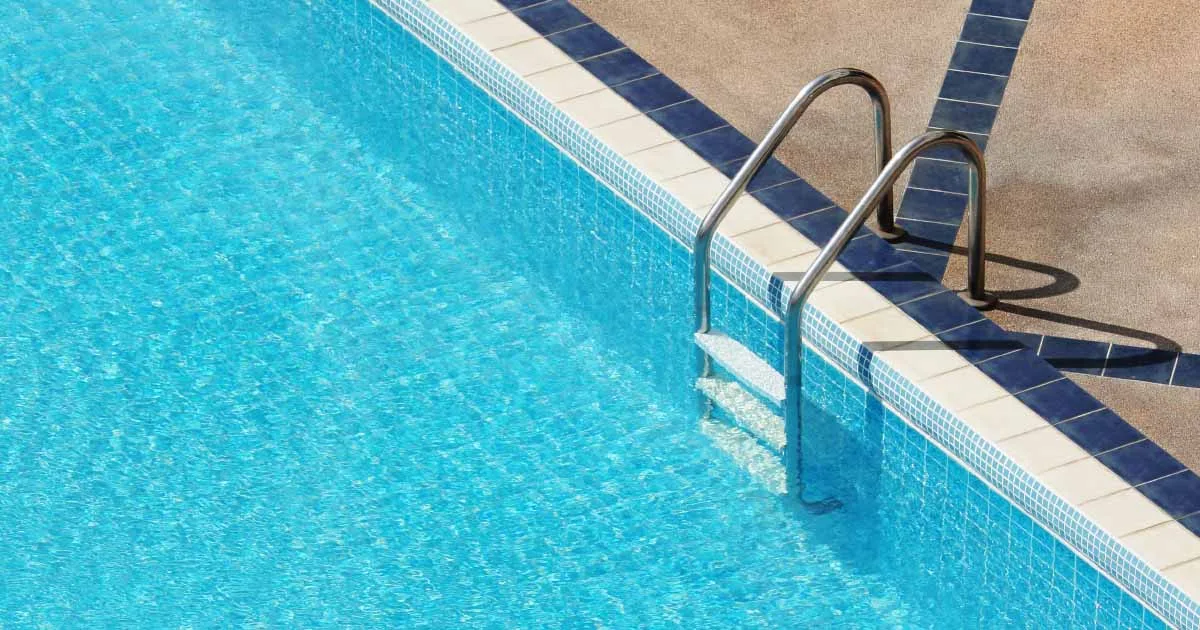
Glass mosaic is the most traditional and recognisable type of swimming pool tile, and it remains one of the most popular choices in the market today. Its small format allows it to follow curves, steps and rounded pool edges far more easily than larger tiles, which is why mosaic is so often used for waterlines, feature bands and detailed pool geometry. Glass also holds colour and light in a distinctive way underwater, which is part of why blue and aqua mosaics remain such a familiar sight around Malaysian pools. The trade-off is a higher number of grout joints across a large basin, which some homeowners find adds character while others prefer a quieter, more continuous surface.
Ceramic Swimming Pool Tiles
Ceramic pool tiles, usually supplied as small mosaic-format pieces rather than standard wall tiles, offer a wide range of colours, patterns and textures, often at a more accessible price point than glass. They can work well for decorative detailing, waterline bands and areas where variety matters more than a single continuous look. That said, not every ceramic tile is manufactured for permanent submersion, so it is important to confirm that the specific product has been rated for pool use rather than assuming any ceramic tile will perform the same way underwater. This is one area where checking with the supplier before ordering genuinely matters.
Porcelain Swimming Pool Tiles
Porcelain has become an increasingly common choice for larger swimming pool surfaces, including basin walls, floors and the areas surrounding the pool. Its denser composition generally makes it less absorbent than standard ceramic, and larger porcelain formats can create a calmer, more continuous appearance with fewer visible joints across the basin. Porcelain is also often used to connect the pool visually with the surrounding deck and outdoor areas, since related tones and formats can carry through from the water's edge into the wider outdoor space. As with ceramic, the exact porcelain product still needs to be confirmed as suitable for constant immersion before it is used inside the pool itself.
Choosing Between the Three
There is no single correct answer for every pool, since the right swimming pool tile depends on a mix of design intent, budget and the shape of the pool itself:
- Pools with curves, steps or detailed waterlines generally suit glass mosaic or ceramic mosaic formats more easily than large porcelain pieces.
- Projects aiming for a calm, continuous basin with fewer joints often lean toward larger porcelain formats where the pool shape allows it.
- Budget-conscious projects may mix materials, using a feature band of mosaic against a simpler surrounding porcelain or ceramic field.
- Every option should be checked against the manufacturer's stated suitability for permanent immersion, since appearance alone does not confirm pool performance.
Safety and Suitability Come First
A swimming pool tile is not judged on colour and pattern alone. It sits within a complete system that includes waterproofing, adhesive, grout and the structure of the pool itself, and each of these needs to be compatible with the others. Before finalising any swimming pool tile, whether glass mosaic, ceramic or porcelain, it is worth confirming with the supplier or contractor that the specific product is approved for constant water exposure, rather than relying on general assumptions about the material category.
How Mastile Can Help
At Mastile, we supply swimming pool tiles across mosaic and porcelain ranges, alongside the outdoor and surrounding surfaces that complete a pool project, from a curated portfolio of brands. Homeowners can compare colours, mosaic scale and finishes in our showroom, while contractors and developers working on larger pool projects can rely on consistent stock and coordinated supply across Malaysia and Singapore. The basin, waterline, steps and surrounding deck are planned as separate zones, which is a useful next step once you have narrowed down a tile type.
If you are planning a new pool or a resurfacing project, visit the Mastile showroom to compare swimming pool tiles in person, or speak with our team about supply for your specific project scale.